The Creative Power of Sketches of Flowers, Plants, and Leaves
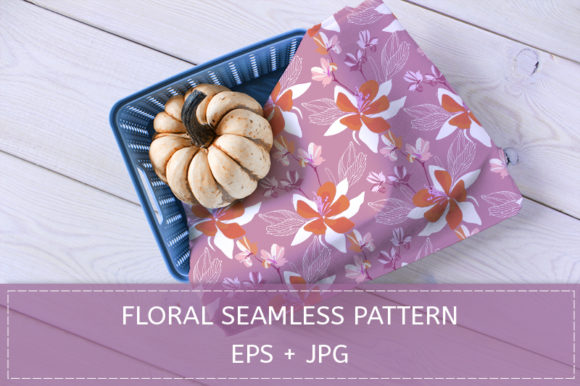
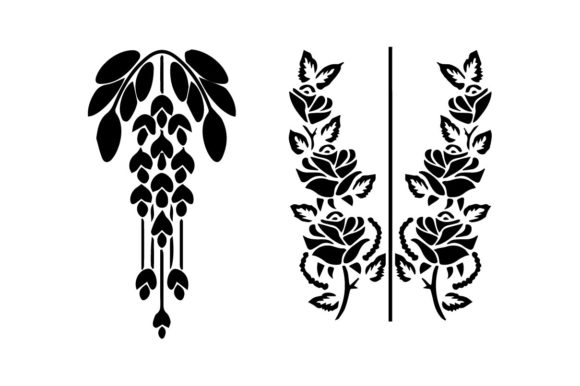
In a digital world saturated with polished photography, there's a unique charm and utility in hand-drawn botanical art. Sketches of flowers, plants, leaves represent more than just decorative images; they are versatile creative assets, born from an illustrator's observation and translated into clean, scalable vector formats. These collections, often featuring curly grasses, delicate blooms, and intricate foliage on isolated backgrounds, bridge the gap between organic artistry and practical application.
Where Hand-Drawn Botany Meets Modern Projects
The true value of these sketches lies not in their existence alone, but in their remarkable adaptability across countless real-world scenarios. Unlike a rigid photograph, a vector sketch of a rose or a maple leaf carries a stylistic flexibility. Its transparent background and outline form make it a design element ready for integration, not just an image to be placed.
Consider the small business owner launching a herbal tea brand. Using these sketches of flowers and plants, they can create packaging that feels artisanal, natural, and sophisticated without the high cost of commissioning custom illustrations for every product variant. The vector formats ensure the design looks sharp on boxes, labels, and website banners alike.
Industries and Audiences Transformed by Botanical Sketches
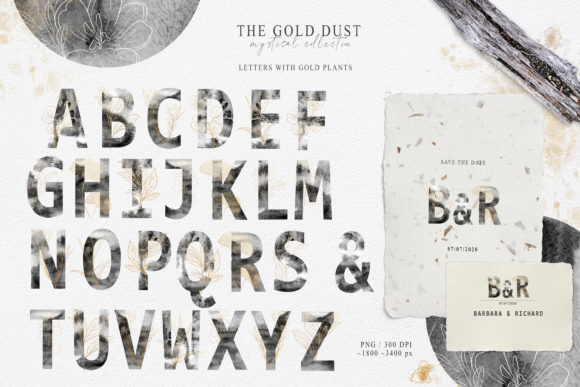
The application stretches far beyond packaging. In the wedding industry, planners and stationery designers utilize these floral sets to craft invitations, menus, and program designs that carry a personalized, timeless elegance. The sketches can be colored to match a wedding palette, layered to create wreaths, or used as subtle borders, offering a cohesive aesthetic that photography often cannot.
Educators and content creators find immense value in these resources. A biology teacher creating a custom worksheet on plant anatomy can use the clear, outlined sketches of leaves and plants as labeling diagrams. A blogger writing about gardening or wellness can elevate their posts with decorative floral pictures that reinforce the natural theme, improving reader engagement without distracting from the text.
Practical Benefits for Different Creative Roles
How you benefit from these sketches depends largely on your role and project. For a graphic designer, the EPS and PNG files are a time-saving treasure. They provide a foundation to build upon—elements to combine, modify, color, and integrate into complex layouts for clients in lifestyle, beauty, or eco-conscious sectors.
For a hobbyist or DIY enthusiast, the JPGs with high resolution offer a straightforward way to enhance personal projects. Imagine creating custom greeting cards, decorating a blog, or designing a unique t-shirt for a garden club. The hand-drawn aesthetic brings a warmth and personality that standard clip art often lacks. The transparent background is a critical feature here, removing the technical hurdle of manually cutting out images and allowing for seamless placement on any colored surface.
Common Considerations Before You Use These Assets
While incredibly useful, it's wise to approach these sketches with a clear understanding of your needs. First, consider style cohesion. A collection of sketches of flowers, plants, leaves has a specific hand-drawn character. It will harmonize beautifully with other organic, minimalist, or vintage designs but might clash with a ultra-modern, tech-heavy visual identity.
Second, think about modification. The vector EPS format allows for deep editing in programs like Adobe Illustrator—you can change lines, combine elements, or extract parts. The PNGs offer transparency but are generally used as-is. Knowing your own software skills and the project's flexibility requirements will guide which format you prioritize from the included trio of EPS, JPG, and PNG.
A potential limitation is specificity. These are often decorative representations rather than scientifically accurate illustrations of a particular species. If your project requires a botanically precise rendering of a Sarracenia purpurea pitcher plant, a generalized sketch of a flower may not suffice. However, for evoking a mood, suggesting nature, or adding decorative flair, they are exceptionally potent.
Unlocking Creative Possibilities: Real-World Examples
Let's move from theory to observation. A local café redesigning its menu to highlight its "garden-to-table" philosophy might overlay sketches of curly grass and herbs as a border, instantly communicating freshness. An author self-publishing a poetry book on growth and renewal could use a solitary sketched leaf as a recurring chapter icon, creating a subtle thematic thread.
In digital spaces, these elements shine. Website designers use them as background textures, hover effects, or to break up text-heavy sections. The isolated white background in the original artwork means the sketches already come "clean," ready to be placed over website colors without any post-processing. Social media managers might use them to create unique, brand-cohesive templates for posts about seasonal events, product launches, or simply to add visual interest to their feed.
The hand-drawn illustration, once converted to vector, loses none of its soul but gains infinite scalability. This means the same sketch of a dandelion can be used as a tiny icon on a mobile app and blown up to poster size for a store display without pixelation or quality loss. This technical strength directly enables creative freedom.
Ultimately, sketches of flowers, plants, leaves serve as a bridge. They connect the human touch of pencil-on-paper artistry with the efficiency and scope of digital design. They empower individuals and businesses to infuse their projects with natural beauty and artistic credibility, often circumventing the need for extensive resources. By focusing on the situations where they are applied—from commercial branding to personal craft—we see their role not as mere decoration, but as a dynamic tool for visual storytelling.