Unlocking Creativity: The Power of the Abstract Notebook Cover Design Template
The visual identity of a physical object, from a personal journal to a professional brochure, begins with its cover. It’s the first impression, a silent ambassador for the content within. For creators, entrepreneurs, and hobbyists looking to produce polished, distinctive printed materials without deep design expertise, the Abstract Notebook Cover Design Template has emerged as a pivotal tool. This versatile resource is more than just a static image; it is a customizable foundation, typically featuring abstract digital paper and background patterns, often with graphic floral elements, engineered for immediate practical use.
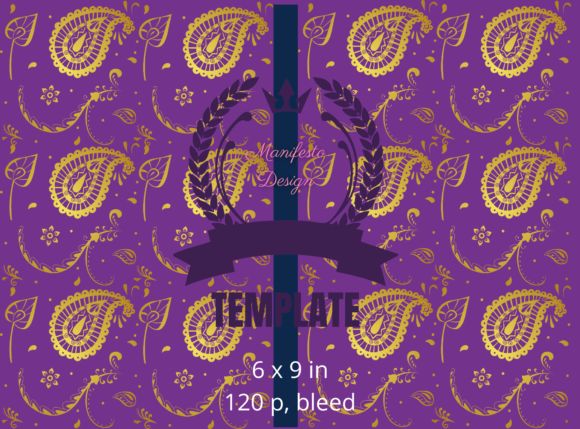
At its core, an Abstract Notebook Cover Design Template is a professionally crafted, print-ready digital file. Specifications like a cover size of 12.52 x 9.25 inches for a 120-page notebook with a 6 x 9 inch paper size indicate its precision for physical production. The inclusion of PDF and PNG transparent files, along with Canva-friendly formats, means it bridges the gap between high-quality design and user-friendly customization. This allows anyone to adapt the abstract artwork—be it swirling patterns, elegant florals, or geometric shapes—to perfectly fit their specific project, brand colors, or personal aesthetic.
The Evolution of Design Accessibility
The relevance of such templates is deeply tied to a broader democratization of design. Not long ago, creating a professional book cover or journal required hiring a graphic designer or committing to complex software with a steep learning curve. Today, the landscape is different. The rise of user-friendly platforms like Canva, coupled with a market hungry for authentic, self-produced content, has shifted expectations. Professionals, small business owners, and content creators now seek tools that offer both quality and autonomy.
Abstract Notebook Cover Design Templates are a direct response to this need. They provide the artistic foundation—a sophisticated, abstract design that can convey modernity, creativity, or tranquility—while handing over control for final touches. This evolution mirrors changing work habits: the blending of professional and personal projects, the growth of the maker economy, and the desire for assets that can serve multiple purposes. A single floral abstract pattern template might become a notebook cover today, a brochure background tomorrow, and an element in a branding presentation next week.
Aligning with Modern Trends and Lifestyle Shifts
Abstract design itself is experiencing sustained popularity, particularly in stationery and print. In a digitally saturated world, tactile, beautifully designed physical objects offer a sense of respite and personal expression. Abstract patterns and floral graphics avoid literal imagery, allowing for wider interpretation and fitting into minimalist, artistic, or bohemian lifestyles. They are versatile enough for a corporate annual report, a student’s poetry journal, or a wedding planner.
Furthermore, the specification that these templates are "print ready" speaks directly to the enduring value of physical media. Despite digital workflows, there is a growing appreciation for printed notebooks, planners, and books as tools for focus, creativity, and tangible legacy. The template ensures that this return to analog is supported by digital efficiency, eliminating technical barriers like improper sizing or resolution issues.
Practical Implications for Users and Creators
The practical benefits of utilizing an Abstract Notebook Cover Design Template are multifaceted. For the entrepreneurial user, such as someone publishing a book via KDP (Kindle Direct Publishing) or a small business producing marketing materials, these templates save significant time and cost. They provide a starting point that already meets professional standards for print, with correct dimensions and resolution. The Canva-friendly aspect is particularly crucial, enabling real-time customization of text, logos, and color adjustments within a familiar interface.
For hobbyists and crafters, the implications extend into more creative realms. The mention of suitability for decoupage, scrapbooking, gift wrapping, and even fabric projects highlights the template’s role as a digital asset for analog crafts. A PNG transparent file of a floral pattern can be printed onto adhesive paper for stickers, used in a digital collage for a greeting card, or even applied as a motif in DIY home decor. This blurs the line between digital design resource and physical craft supply, empowering individuals to create cohesive, beautiful projects across different mediums.
Beyond Notebooks: A Spectrum of Applications
The description of these templates often lists a wide variety of projects, and this is not mere hyperbole. It reflects a genuine shift towards multi-use design assets. Consider a single abstract graphic floral template:
- A professional might use it as the cover for a client presentation brochure, ensuring visual consistency with brand elements added on top.
- A blogger or educator could customize it for a printable workshop journal or planner to offer as a resource to their audience.
- A stationery business owner might employ it as the base design for a line of notebooks and matching invitation cards.
- An artist or scrapbooker could incorporate elements from the pattern into mixed-media art, using the PNG layers to build depth.
This versatility is key. It means investing in one resource can yield returns across personal, professional, and side-project endeavors, aligning perfectly with the multifaceted lives of the modern adult audience.
Implementing Templates in Your Workflow
To leverage an Abstract Notebook Cover Design Template effectively, start with a clear understanding of your end goal. Is the final product a physical item for sale, a personal use item, or a promotional material? Select a template whose abstract style—whether bold geometric, soft floral, or textured digital paper—matches the emotional tone of your project.
Next, utilize the provided file formats strategically. The PDF is often ideal for direct printing if no customization is needed. The PNG transparent file is your asset for layered design work in Canva or other software, allowing you to place the pattern behind or alongside other elements. The "easily customize" promise is realized by using these transparent backgrounds to add your title, author name, business logo, or inspirational quote without obscuring the intricate design.
Finally, think beyond the obvious. The template is a starting point. Could the abstract pattern also serve as a background for your related digital social media posts, creating a cohesive campaign? Could elements be extracted to design matching envelope labels or planner sheets? This holistic approach maximizes the value of the template and creates a unified aesthetic across your outputs.
The Importance of Quality and Specification
Not all design templates are created equal. The detailed specifications mentioned—the precise cover size, page count correlation, and paper size—are indicators of a professionally developed product. This attention to detail ensures that when you send the file to a printer or use it for a print-on-demand service like KDP, the result will be physically accurate, with no awkward cropping or misalignment. This technical reliability is as important as the aesthetic appeal, especially for business users where consistency and quality directly impact credibility and customer satisfaction.
Furthermore, offerings that include collections like "100 Popular Design" or "100 NEW, Fresh content" address the need for choice and trend alignment. They allow users to select a design that feels current and suited to their specific niche, whether it’s for a sleek corporate notebook, a vibrant school book cover, or an artistic journal.
A Forward-Looking Asset for Creative Expression
The Abstract Notebook Cover Design Template sits at the intersection of several enduring trends: the demand for design autonomy, the appreciation for abstract and floral art, the resurgence of print, and the convergence of digital and physical crafting. It is a pragmatic solution that empowers.
For the professional, it streamlines production and elevates brand materials. For the creator and hobbyist, it opens doors to personalized projects without requiring years of design training. As workflows continue to blend and the desire for authentic, self-made items grows, these templates will likely remain essential tools. They embody a modern principle: providing a foundation of quality and beauty, upon which individual creativity can efficiently build.