Floral Wedding Invitation Design Essentials
Imagine capturing the essence of a wedding day—its romance, its elegance, its unique personality—within the very first touchpoint guests receive: the invitation.
A wedding card design is far more than just a piece of paper; it's a powerful piece of visual communication that sets the tone for the entire celebration. In modern graphic design, it serves as a critical exercise in balancing aesthetic beauty with functional information, often becoming a treasured keepsake. This design challenge involves meticulous attention to typography, color palette, composition, and imagery to create a cohesive and memorable experience.
The Core Components of Effective Invitation Design
Creating a standout floral wedding invitation card template involves harmonizing several key visual elements. Each component plays a specific role in guiding the viewer's eye and conveying the necessary information with elegance and clarity.
Typography and Visual Hierarchy
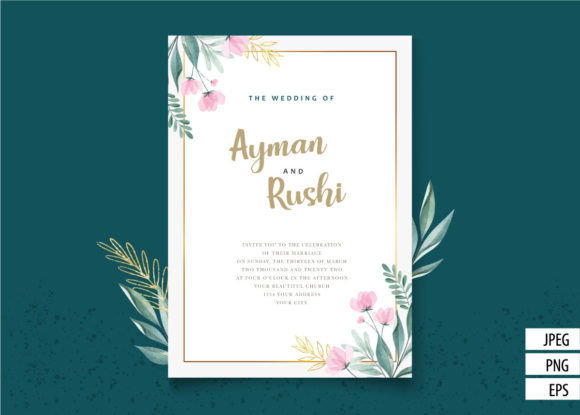
The choice of fonts is paramount. Serif fonts often convey tradition and sophistication, while modern sans-serif typefaces can signal a cleaner, contemporary vibe. The visual hierarchy—how you size and arrange the text for the date, venue, names, and other details—ensures guests can instantly find the most important information without the design feeling cluttered.
Color Psychology and Palette Selection
Color sets the emotional stage. Soft pastels might suggest a gentle, romantic garden wedding, while richer, deeper tones could indicate a formal evening event. A well-defined color palette, used consistently across all text and floral elements, creates a sense of brand identity for the event itself, making the invitation instantly recognizable.
Floral Imagery and Composition
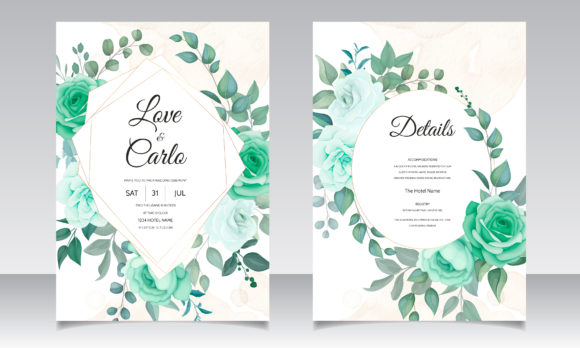
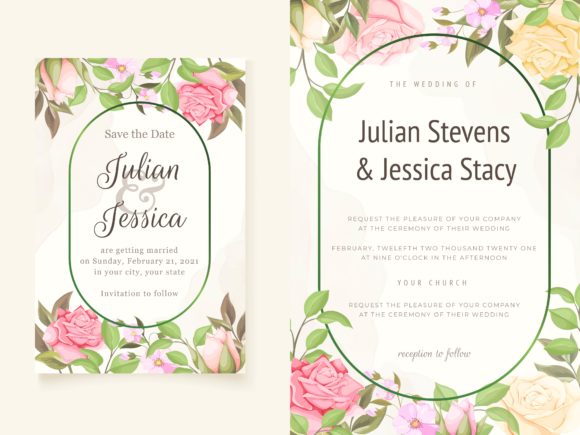
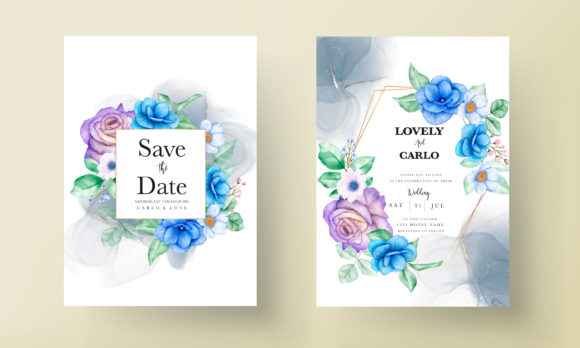
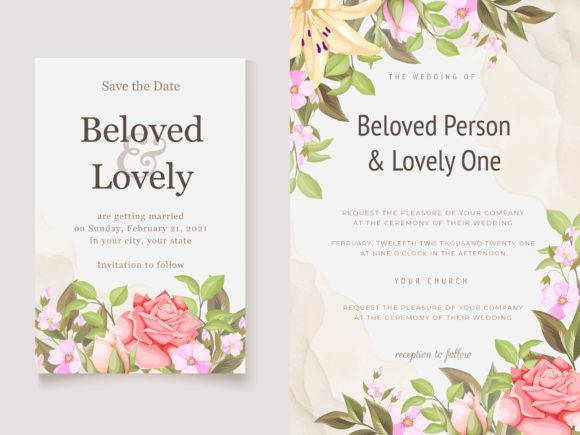
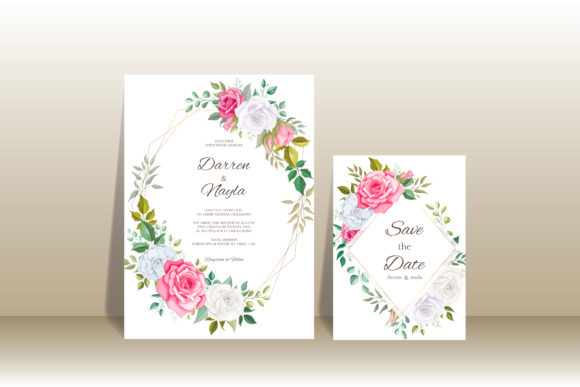
Floral elements are not merely decoration; they are integral to the composition and storytelling. Whether using delicate line art, lush watercolor blooms, or modern graphic illustrations, the floral motifs should complement the typography and not overpower it. Their placement contributes to the overall balance and flow of the design.
Practical Value in Professional Design Workflows
The utility of a well-structured wedding invitation template extends far beyond its initial print. For graphic designers, marketers, and creators, such assets are versatile tools that can seed countless other creative projects.
- Branding & Stationery: The design's core aesthetic can be extended to day-of programs, menus, place cards, and thank-you notes, creating a completely cohesive wedding brand identity.
- Digital Marketing & Social Media: Elements from the invitation, especially the floral graphics and color scheme, can be repurposed for website banners, email announcements, and social media graphics to maintain visual consistency across all touchpoints.
- Editorial & Web Design: The principles of clean layout, balanced typography, and controlled color usage demonstrated in a good invitation are directly applicable to blog layouts, UI design, and presentation slides.
- Packaging & Merchandise: The floral patterns and logos derived from the design can inspire custom packaging for wedding favors or even elements for merchandise, translating a print design sensibility into physical products.
Evaluating and Using Design Assets Effectively
When selecting a template, like the one described offering printable sizes, JPG, PNG, and an editable EPS file with separate layers for Adobe Illustrator, consider its adaptability. Here’s what makes such an asset truly valuable for a professional workflow:
- Scalability & File Formats: Having an original EPS file means every element is vector-based, allowing for infinite scaling without quality loss—crucial for both tiny details on a card and large format prints for signage.
- Editability & Customization: Separate layers grant full control. You can easily change colors (from RGB to CMYK for professional printing), swap typefaces, reposition floral elements, or extract a single graphic for use elsewhere.
- Consistency Across Media: Using the same core asset for print (via JPG/CMYK) and digital (via PNG/RGB) ensures your visual design remains perfectly consistent, a cornerstone of professional presentation.
- Integration with Brand Systems: For business owners or designers creating content for clients, such a template can be adapted to align with existing brand guidelines, ensuring the wedding materials feel like a natural extension of their visual world.
Ultimately, thoughtful wedding card design is an exercise in precision and artistry. It reminds us that great design, whether for a once-in-a-lifetime event or for everyday branding, is about communication first. The right creative assets—flexible, editable, and built with professional standards—empower creators to translate a vision into tangible, beautiful results that not only inform but also inspire and delight.