The Art and Utility of Elegant Lily Floral Pattern Design
The world of design is perpetually enriched by the timeless beauty of nature, and among its most cherished motifs are floral patterns. A Seamless Pattern Design Lily Flowers template represents a sophisticated fusion of artistic inspiration and practical digital asset. These designs, often accompanied by complementary elements like roses and leaves, transcend mere decoration; they become versatile tools for creators across numerous disciplines. The availability of such patterns in editable formats like EPS and AI files unlocks a realm of personalization, allowing the foundational beauty of lilies to be adapted to countless unique visions.
Core Characteristics of High-Quality Lily Flower Patterns
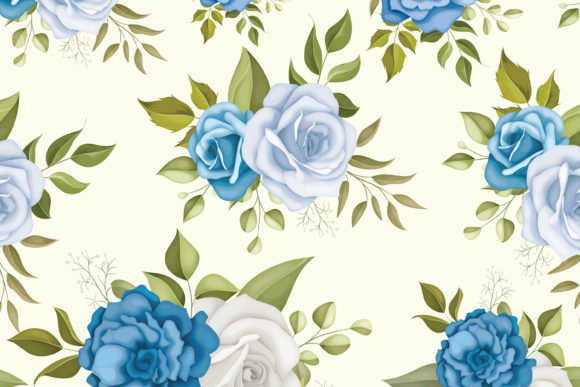
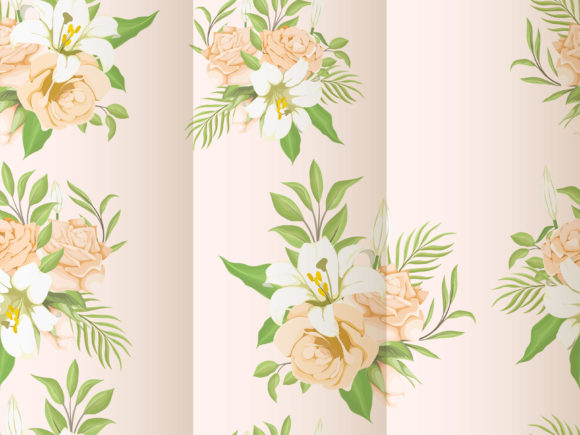
What distinguishes a premium seamless floral pattern from a simple image? The answer lies in several interconnected characteristics. First, the seamless nature is paramount. A well-executed pattern tile repeats infinitely without visible joins or disruptions, creating a continuous, flowing surface of lilies and foliage. This requires meticulous attention to detail in the vector artwork, ensuring edges align perfectly and the distribution of elements feels natural.
Second is the artistic composition. An Elegant Seamless Pattern Design Lily Flowers Template balances density and openness. It avoids overwhelming clutter while ensuring the pattern is rich enough to be effective as a background or textile design. The integration of roses and leaves alongside the lilies adds depth and botanical variety, making the pattern more dynamic and visually interesting. Third, the technical foundation as a Floral Vector is crucial. Vector graphics are defined by mathematical paths, not pixels. This means they are infinitely scalable without loss of quality, a non-negotiable feature for professional applications ranging from large format printing to delicate app icons.
The Practical Advantages of Editable Vector Files
The inclusion of file formats such as AI (Adobe Illustrator) and EPS alongside a standard Jpg preview is not merely a convenience; it fundamentally changes the asset's utility. The Jpg serves as a quick visual reference or for use in contexts where editing isn't required. However, the AI and EPS files are the keys to true customization.
Opening an EPS or AI file in a compatible vector design program grants access to every individual element. Each lily petal, rose bud, and leaf stem exists as an independent, editable object. This allows for profound personalization. Colors can be altered globally or flower by flower. Elements can be rearranged, added, or removed to suit a specific theme. The scale of individual components can be adjusted to create a denser or more sparse repetition. This level of control transforms a purchased template into a unique, bespoke design asset, saving countless hours of initial drawing and composition work.
Diverse Applications Across Industries and Projects
The use cases for beautiful seamless lily patterns are astonishingly broad, touching both commercial and personal creative spheres.
- Textile and Surface Design: They are ideal for fabric printing for fashion, upholstery, or home linens like curtains and bedding. Their seamless nature ensures the pattern flows correctly across yards of material.
- Digital and Web Design: As website backgrounds, app interface skins, or social media graphics, these patterns add organic elegance. The vector format ensures crisp display on any screen resolution.
- Branding and Packaging: A customized lily pattern can form the aesthetic backbone of a brand identity, especially for businesses in wellness, beauty, luxury goods, or gardening. It can adorn product packaging, labels, and promotional materials.
- Stationery and Print Media: Invitations, greeting cards, book covers, and editorial layouts frequently employ floral patterns to set a tone of grace and refinement.
- Interior Design Visualization: Designers use these patterns to create mock-ups of wallpapers, tile designs, or decorative accents for client presentations.
This wide applicability underscores the template's value not just as a picture, but as a flexible design component.
The Workflow: From Template to Finished Project
Understanding the typical workflow helps clarify its practical relevance. A user acquires the template, which includes the Jpg, EPS, and AI files. They first review the Jpg to confirm the style matches their need. For customization, they open the vector file in their software. Here, they might adjust the color palette to match their brand’s exact teal or burgundy, or isolate just the lily elements if the roses don’t fit their concept. They might change the background from transparent to a soft pastel base.
Once personalized, the pattern is applied. For a web designer, they might export a PNG slice for a site header. For a textile designer, they would ensure the tile meets technical specifications for their printer and integrate it into a larger repeat file. The process democratizes high-level pattern design, enabling creators with moderate vector software skills to achieve professional results. Should technical hurdles arise during customization, the offer to contact us on our social media account for help personalization specially for your project provides a valuable support bridge, ensuring the asset can be fully utilized even if the user’s expertise is still growing.
Key Considerations When Selecting and Using Floral Patterns
While the advantages are clear, informed use involves certain considerations. The first is licensing and intended use. Most templates are sold for commercial use, but it’s essential to verify the terms to ensure compliance for your specific project, such as mass-produced goods.
Second is technical compatibility. While EPS is a standard vector format readable by many programs, the AI file is native to Adobe Illustrator. Users with alternative vector tools should confirm they can import and edit EPS files effectively. Third is design coherence. Personalization is powerful, but it should be exercised with an eye for maintaining the pattern’s inherent balance and elegance. Over-editing can sometimes disrupt the seamless flow or the botanical harmony between the lilies, roses, and leaves.
Finally, the context of application matters. A dense, vividly colored lily pattern might be perfect for a bold fashion statement but overwhelming for a subtle website footer. The editable nature allows for adjustment of saturation and scale to fit the context, which is a core part of the skillful implementation.
Observations on Trends and Enduring Appeal
Floral patterns, particularly those featuring classic flowers like lilies and roses, exhibit a cyclical yet enduring popularity. Current trends often lean towards more organic, hand-drawn feels even within vector art, or towards specific color palettes like muted earth tones or vibrant neo-traditional contrasts. An editable template sits at the intersection of this timeless appeal and contemporary trendability. Because it can be modified, a designer can take the timeless lily motif and align it with today’s preferred colors or layout styles, making it a perpetually relevant asset.
The seamless lily pattern template, therefore, is more than a digital product. It is a conduit for creativity. It provides the structural elegance of a professionally composed botanical repeat while handing over the creative control to the end-user. It respects the designer’s individual vision by offering not just a static image, but the building blocks—the beautiful Floral Vector with roses and leaves—to build upon. For the hobbyist creating custom wedding invites, the entrepreneur branding a new skincare line, or the professional designer sourcing reliable assets, it represents a harmonious blend of nature’s inspiration, artistic craft, and modern digital utility.