The Modern Wedding Invitation Card Template: Streamlining Your Stationery Process
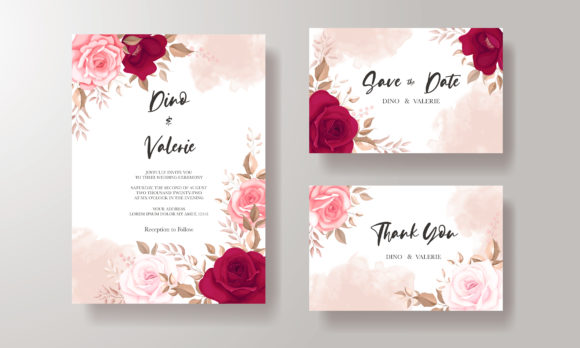
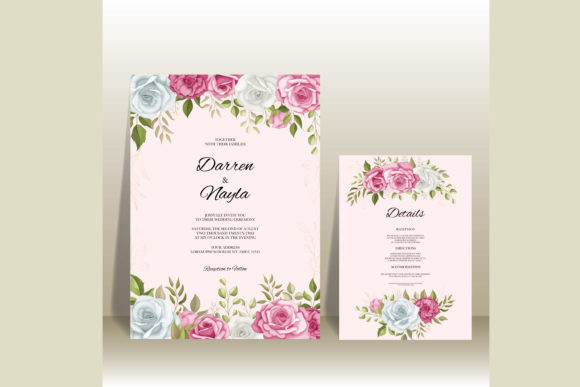
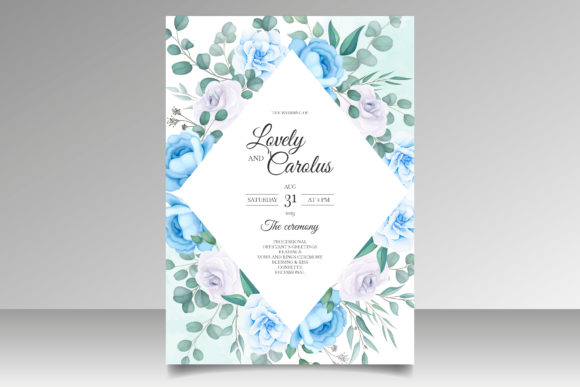
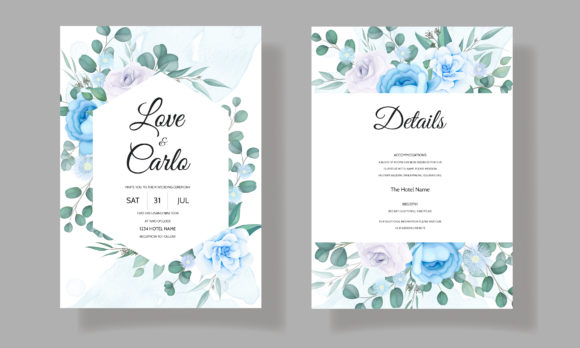
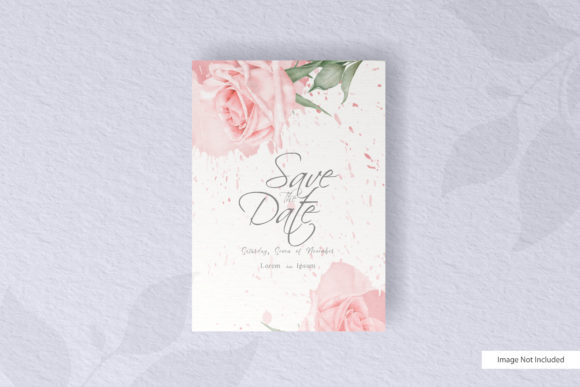
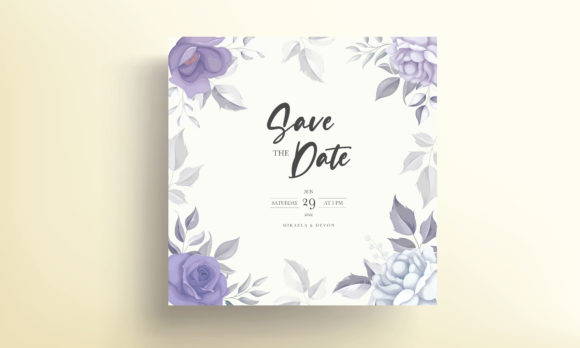
In the intricate workflow of wedding planning, the creation of invitations is a critical touchpoint. It is the first formal communication of your event's style and tone to your guests. For professionals, creators, and busy couples managing this process, a Modern Wedding Invitation Card Template isn't merely a design; it is a structured asset designed for practical implementation. This template, featuring elegant floral and leaves in a colourful illustration, represents a shift from a purely creative task to an organized, efficient component of your broader planning project.
Where the Template Fits in Your Planning Process
Wedding planning is a project with multiple concurrent workflows: vendor coordination, budget management, and guest logistics. The invitation phase typically sits between the finalization of your core wedding theme and the execution of guest management tasks like RSVP tracking and seating charts. Introducing a professionally designed, customizable template at this stage prevents a common bottleneck. Instead of initiating a search for a designer or grappling with complex design software from scratch, you begin with a resolved aesthetic foundation. The template's organized layers and labeled structure mean you can move directly into the phase of personalization and information integration, saving significant time and reducing the risk of design inconsistencies that can disrupt your planning rhythm.
This approach aligns with the methods of entrepreneurs and productivity-minded users who view projects as a series of integrated systems. The template acts as a pre-assembled component, ready to be incorporated into your unique workflow. Its availability in both AI and EPS file formats ensures compatibility with standard industry tools, allowing it to interact seamlessly with the software you or your chosen printer may already use for final production. This eliminates a preparation step often overlooked: file format conversion and asset organization.
Integration and Customization: A Practical Workflow
The real value of a Modern Wedding Invitation Card Template lies in its ease of integration. Consider a common scenario: a couple has selected their venue, date, and colour palette. They now need invitations that reflect these decisions. With this template, the starting point is not a blank canvas but a sophisticated illustration with floral and leaf motifs that can be adapted. The workflow becomes one of refinement rather than creation.
Step 1: Assessment and Alignment
First, review the template's design against your established wedding theme. The colourful illustration provides a vibrant base, but the customizable text colour means you can ensure the typography aligns with your palette. This is a quality control check. Because the layers are carefully organized and labeled, you can quickly toggle elements to see how removing or adjusting a floral accent might better suit your vision without compromising the design's integrity.
Step 2: Efficient Information Implementation
Next, you input your specific details: names, date, venue, and times. The template structure dictates where this text belongs, ensuring a balanced, professional layout. For bloggers, freelancers, or small business owners who might also use this for a client's event or a branded party, this consistency is key. It guarantees a high-quality output regardless of the user's individual design expertise. The process is analogous to filling a well-formatted report; the structure is provided, and you focus solely on the content.
Step 3: Final Preparation for Production
Once customized, the files are ready for handoff. The inclusion of both the AI file (for Adobe Illustrator) and EPS (a universal vector format) means compatibility with various printers and production methods is assured. This step in the workflow is about output efficiency. You avoid last-minute surprises regarding file compatibility, a common hurdle that can delay printing and disrupt your schedule. For the long-term use, these source files can be archived and reused for anniversary parties or related events, maintaining a consistent visual identity over time.
Beyond Weddings: Extending the Template’s Utility
The description notes the template can be used for a wedding or birthday party. This flexibility speaks directly to creators and hobbyists who manage multiple event types. In a broader creative or business workflow, this represents asset versatility. A marketer, for example, could adapt the template for a corporate anniversary celebration, maintaining the elegant floral illustration but customizing the text for a company event. The workflow integration remains the same: start with a high-quality base, customize efficiently, and output reliably.
For educators or publishers coordinating special events, the template offers a path to professional-looking stationery without a dedicated design budget. The process-oriented benefit is the reduction of decision fatigue. Instead of evaluating countless design options, you begin with a single, robust option and channel your energy into the event's logistical and content planning.
Key Factors for Smooth Implementation
To integrate this Modern Wedding Invitation Card Template smoothly into your work, consider a few practical observations.
- Software Preparation: Ensure you or your service provider has access to software that can edit AI or EPS files. Most professional design tools support these formats.
- Text Hierarchy Planning: Before editing, decide on your text hierarchy. What information is most important? Use the customizable text color to emphasize key details like the couple's names or the event date, guiding your guests' attention logically.
- Print Dialogue: Engage with your printer early. Share the template files you'll be using and confirm their specifications. This template's vector formats (AI/EPS) are ideal for scaling to any print size without loss of quality, ensuring crisp results for both main invites and matching enclosures like detail cards.
Usability is central. The "Easy to Use and edit" feature is not an abstract claim. For a non-designer, labeled layers mean you can isolate the text layer without accidentally moving background artwork. For a professional designer, the organized structure allows for rapid, bulk customization for client suites. This adaptability across user skill levels makes it a universally practical tool.
Outcome: Consistency and Professional Quality
The ultimate outcome of using such a template is the achievement of a consistent, high-quality stationery suite that complements your event's overall execution. In project management terms, it standardizes one variable. You control the input (your custom text and colour choices) while the template controls the design framework and output compatibility. This separation of concerns is efficient. It allows you, whether you are a busy professional planning your own wedding or a freelancer managing a client's event, to focus on the parts of the process that require your unique input and decision-making.
The Modern Wedding Invitation Card Template with its elegant floral and leaves illustration is more than a beautiful image. It is a designed component for a smoother planning workflow. By providing a structured, compatible, and customizable starting point, it fits into the real-world processes of adults juggling multiple responsibilities. It turns the task of invitation creation from a potential project stall into an efficient, integrated step towards your celebration's successful execution.