The Artistic and Practical Power of Watercolor Floral Backgrounds
The digital and physical worlds are increasingly adorned with delicate, expressive, and profoundly versatile visual elements. Among these, the Beautiful Watercolor Florals Background stands out as a unique fusion of artistic tradition and modern utility. This aesthetic, characterized by its soft blends, organic forms, and ethereal quality, transcends mere decoration to become a foundational tool in communication and design.
Decoding the Characteristics of Watercolor Florals
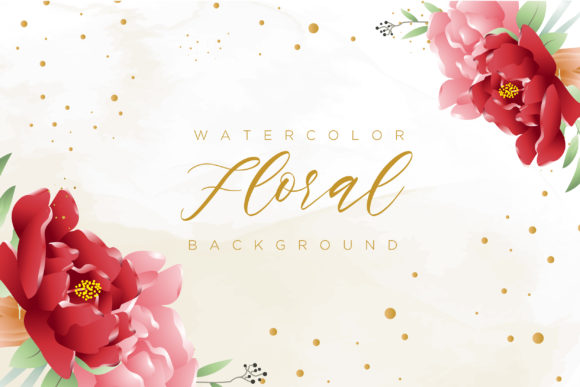
To understand their widespread appeal, one must first dissect the inherent qualities of these backgrounds. A true watercolor floral design is not simply a picture of flowers; it is an evocation of a specific technique and mood. The hallmark is the visible translucency and gentle gradient where colors meet, creating a sense of depth and light. Stems and petals often have soft, blurred edges, mimicking the natural flow of paint on paper. The color palette is frequently leaning towards pastels—soft pinks, muted golds, serene blues—but can also embrace the vibrancy of a deep rose or the elegance of rose gold accents.
This aesthetic carries emotional weight. It communicates tenderness, creativity, romance, and a handcrafted, personal touch. Unlike rigid vector graphics or stark photographic backgrounds, a watercolor floral frame suggests a human artist’s involvement, even when digitally reproduced. This perceived authenticity is a key driver of its use.
The Core Components: From Frame to Backdrop
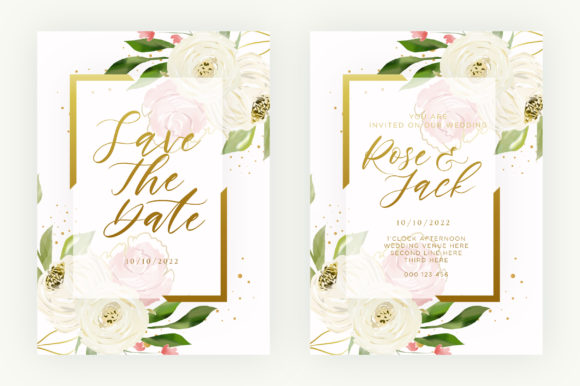
These designs manifest in several core formats, each serving a distinct purpose. The floral frame is perhaps the most recognizable, where painted flowers and leaves create a border around a central space, perfect for enclosing text or a portrait. A template implies a more structured layout, often incorporating these florals alongside predefined areas for content, used extensively in invitations and cards. The backdrop or full background is a larger, often seamless area of watercolor florals that sets the stage for entire websites, presentation slides, or physical event settings.
Each variation shares the same beautiful watercolor florals background DNA but is engineered for different contexts. A frame might emphasize focus and elegance, while a full backdrop aims to create an immersive atmospheric experience.
Principal User Groups and Their Applications
The adoption of this design style cuts across a remarkably broad spectrum of users, each leveraging its properties for specific goals.
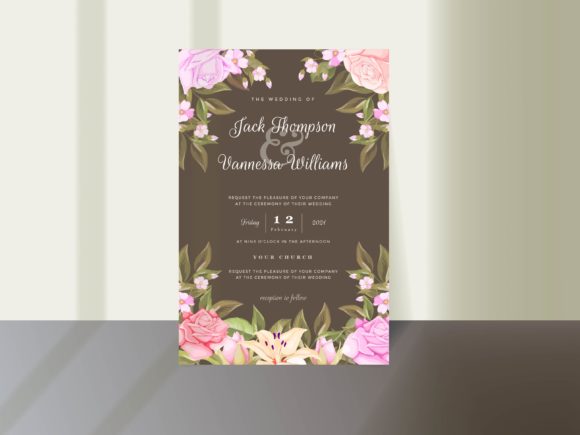
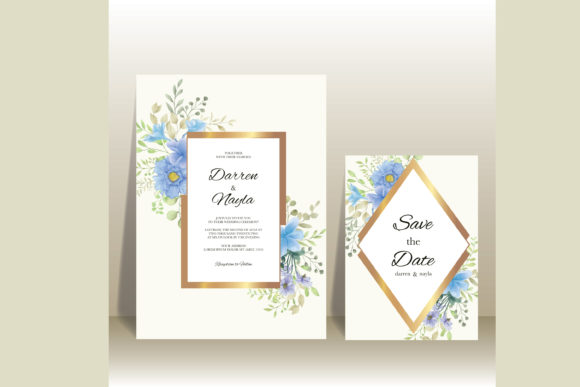
- Event Professionals and Individuals: The association with weddings, marriages, and engagements is almost innate. Watercolor florals on invitations, save-the-date cards, and ceremony programs instantly signal a romantic, personal, and celebratory event. They are equally powerful for anniversaries, baby showers, and garden parties.
- Graphic Designers and Creators: For these professionals, beautiful watercolor florals background assets are versatile raw materials. They are used to build brand identities for boutique businesses, create compelling social media content, design packaging for organic products, or develop website themes for lifestyle bloggers. Their blend of professionalism and beauty makes them suitable for both corporate and creative clients.
- Business Owners and Marketers: Small businesses, particularly in sectors like beauty, wellness, fashion, and hospitality, use these backgrounds to soften their digital presence and convey quality and care. A rose gold and pink watercolor floral banner on a website can make a brand feel more accessible and artistic.
- Educators and Researchers: In presentations or educational materials, a subtle floral backdrop can make dense information more approachable and visually engaging, reducing the cognitive strain of stark, text-heavy slides.
- Hobbyists and DIY Enthusiasts: The availability of templates and graphics allows individuals to personalize their own projects—from crafting homemade greeting cards to designing family photo albums—without requiring advanced design skills.
Advantages in Practical Implementation
Choosing a watercolor floral aesthetic over other styles brings a set of tangible benefits. Firstly, it offers exceptional visual harmony. The soft nature of the watercolor elements means they rarely clash with other components; text, logos, and photographs overlay cleanly. Secondly, it provides emotional resonance. It can set a specific tone faster than many abstract or geometric designs. Thirdly, it boasts adaptability. The same core floral graphic design can be recolored, resized, and cropped to serve as a background for a mobile app icon, a large poster, or a email header.
From a workflow perspective, for a creator, starting with a high-quality beautiful watercolor florals background template can drastically reduce project time. It establishes color scheme, mood, and layout structure instantly, allowing focus on content creation rather than foundational design.
Critical Considerations for Effective Use
Despite its flexibility, successful deployment requires mindful choices. The density of the floral pattern is crucial. An overly dense, busy background of flowers can make text illegible and create visual chaos. The key is balance—using lighter versions or strategically placing opaque content boxes over denser areas. Color choice must align with message: pastels for serenity and romance, deeper roses for passion and luxury, golds for celebration and warmth.
Context appropriateness is another factor. While versatile, a watercolor floral backdrop might not suit a technology hardware manual or a legal document, where clarity and neutrality are paramount. Understanding the audience’ expectations is essential. Furthermore, ensuring the graphic quality is high-resolution is non-negotiable for professional use; pixelated or poorly rendered watercolor effects can undermine the intended elegance.
Observing Trends and Evolution
The application of watercolor florals is not static. Current trends show a move towards minimalism within the style—using single, isolated watercolor flowers rather than entire bouquets, or incorporating negative space more dramatically. Another trend is the blend with other textures, such as marrying watercolor rose illustrations with subtle geometric lines or metallic foil effects, creating a hybrid of organic and structured design.
The rise of digital platforms has also seen these backgrounds evolve from static images to dynamic elements. Animated, gently moving watercolor florals are becoming popular for website headers and video introductions, adding a layer of delicate motion to the still art.
In the realm of print, the demand for unique, custom watercolor floral designs for event stationery is growing. Clients are moving beyond generic templates towards commissioned pieces that incorporate specific flowers meaningful to their event, pushing the boundary from a stock background to a personalized artwork.
The Enduring Relevance of an Artistic Background
Ultimately, the persistence and growth of the beautiful watercolor florals background in both digital and analog spaces speaks to a universal desire for beauty that feels genuine and connected to natural forms. It is a tool that democratizes a certain level of artistry, allowing non-artists to infuse their projects with a painterly quality. For professionals, it is a reliable and rich resource in the graphic design toolkit, capable of conveying a wide range of nuanced messages from elegant professionalism to heartfelt creativity.
Its real-world relevance is proven daily in the invitations that set the tone for a celebration, the website backgrounds that welcome visitors with softness, and the marketing materials that distinguish a brand with an aesthetic of care. As design trends cycle, the core appeal of watercolor—its transparency, its fluidity, its link to a handcrafted process—ensures that floral backgrounds created in this style will remain a vital and expressive choice for a diverse audience seeking to communicate with both beauty and purpose.